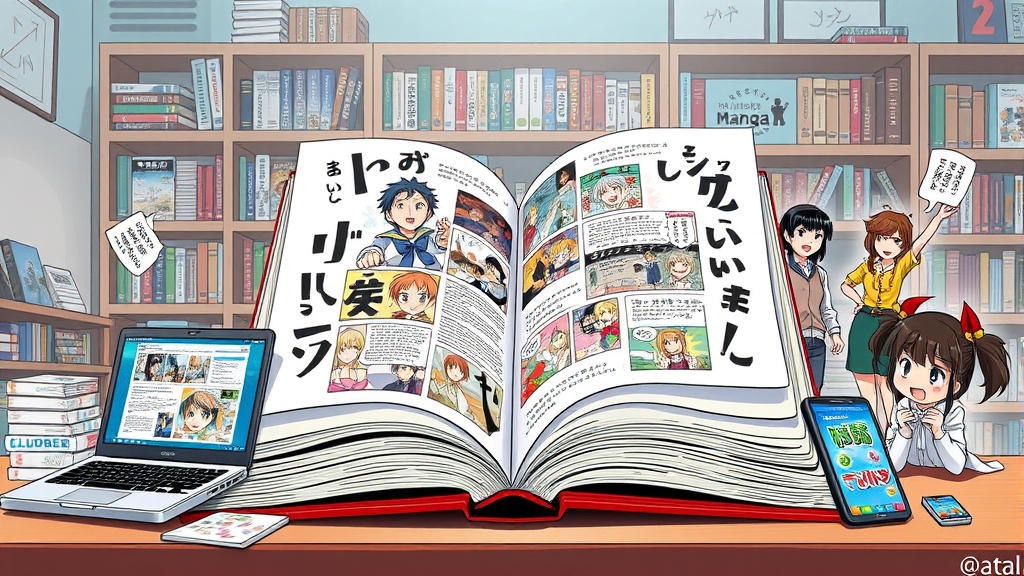
anime books form a fascinating bridge between the vibrant, dynamic realm of animation and the rich, immersive universe of literature. These publications, whether in the form of novels, adaptations, or companion guides, deepen fans’ engagement with their favorite series while also offering new pathways for storytelling and creative expression. By exploring the roots and influences of anime through dedicated literature, authors and fans alike are often surprised by how interconnected these mediums truly are, creating a lively cross-pollination of ideas, themes, and artistic styles.
In recent years, anime books have gained momentum as both a standalone genre and a supportive supplement to the world of animation. This growth reveals the enduring appeal of anime’s storytelling power beyond the screen—a testament to its cultural significance and the universal allure of compelling characters and narratives. Whether through novelizations of beloved series, original light novels, or literary analysis of anime themes, these books serve as vital tools for fans and creators seeking a deeper understanding of this multi-faceted art form.
The Unexpected Intersection – Exploring Anime’s Literary Roots and Influences
Anime’s roots are deeply embedded in Japan’s historical narrative traditions, but the influence of Western literature, contemporary storytelling, and even classical philosophy can be traced within anime’s evolution. This cultural juxtaposition has contributed to the layered storytelling style that anime is celebrated for—rich, complex, and open to interpretation. When analyzing anime books, we see a reflection of these influences, as writers often draw inspiration from established literary works or philosophical ideas, blending them with modern narratives and visual storytelling.
Furthermore, many anime series themselves are rooted in manga, light novels, and visual arts that echo literary traditions. These influences are often consciously integrated into the storytelling or subtly embedded within character development and worldbuilding. As a result, anime books—whether in novel form or as analytical and critical essays—serve as a vital link that reveals the literary foundations behind the animated spectacles. They remind us that beneath the vivid animation lies a tapestry of narrative techniques and thematic explorations rooted in literature, showcasing an unexpected yet profound intersection.
 Hình minh họa: anime books – top 10 free manga sites
Beyond the Screen – How Anime Storytelling Translates to the Written Word
Anime storytelling excels in dynamic visuals, compelling characters, and tight pacing, but translating its essence into ink and paper presents unique challenges and opportunities. When anime stories are adapted into books, writers must capture the emotion, atmosphere, and action that visuals normally convey, often enriching the narrative with internal monologue, detailed backgrounds, and expanded character perspectives. This process allows fans to explore their favorite stories more intimately, gaining insights into character motivations and worldbuilding elements that might be condensed or simplified on screen.
Conversely, anime books also serve to enhance the storytelling experience by offering supplementary content—side stories, prequels, or alternative viewpoints—that deepen the audience’s understanding of the primary narrative. These written expansions transform the visual spectacle into a more contemplative experience, allowing readers to pause and appreciate the nuances of storytelling that may be lost in fast-paced animation. Ultimately, anime books stand as a testament to how storytelling transcends mediums, fostering a richer, multi-layered relationship between fans and their stories.
From Manga to Novel – Examining Book Adaptations of Popular Anime Series
Many popular anime series owe their existence to manga, but some have also been transformed into novels, offering a fresh perspective outside the animated format. These adaptations often serve as a bridge for fans to explore deeper lore, character insights, and alternative storylines that may not have been fully realized in the anime. Novelizations can restore detailed internal dialogues, explore backstories, and provide a visceral emotional connection that complements the visual experience.
These book adaptations also allow creators to experiment with different narrative styles, expanding the universe in ways that the constraints of animation might inhibit. For example, a series like Attack on Titan has inspired not only anime and manga but also light novels that delve into lesser-known characters and hypothetical scenarios. Such adaptations and expansions demonstrate how the written word can elevate and enrich the storytelling ecosystem, creating a layered experience for dedicated fans and literary enthusiasts alike.
Light Novels and Anime – A Symbiotic Relationship in the Japanese Entertainment Industry
Light novels occupy a crucial space in the anime industry, often serving as the initial seed for animated adaptations. Their accessible prose, vibrant illustrations, and engaging plots make them popular among younger demographics. These novels tend to feature episodic stories and character-driven narratives that appeal to anime fans longing for more content or alternative interpretations of their favorite worlds. The relationship between light novels and anime is symbiotic; successful adaptations often boost the sales of the original novels, fueling their continued production and expansion.
Conversely, popular light novels become sources for new anime series, creating a cyclical dynamic that drives industry growth and fan engagement. As an evolving art form, light novels often pioneer innovative storytelling techniques that influence both anime and other forms of media. This interconnected web of stories reflects a cultural ecosystem where books and animation inspire one another, fostering creative innovation and broadening the scope of Japanese entertainment.
Anime-Inspired Literature – Books That Capture the Essence of Animation
Beyond direct adaptations, many books are inspired by anime’s themes, aesthetics, and storytelling styles, capturing its essence in written form. These works often pay homage to the visual language of anime through vivid descriptions, innovative narrative structures, or thematic resonance. For example, some authors craft dystopian or sci-fi novels influenced by anime series like Akira or Ghost in the Shell, using similar motifs of technology and human nature.
Such anime-inspired literature extends the visual spectacle into a literary realm where readers can immerse themselves in new worlds shaped by anime’s aesthetic principles. These books often serve as a gateway for fans to explore storytelling techniques and thematic concerns, enriching their appreciation for both anime and literature. Moreover, these works foster cross-genre creativity, inspiring writers to incorporate animation-inspired motifs, character archetypes, and visual storytelling elements into their own writing.
The Art of Worldbuilding – Lessons Anime Books Can Teach Writers
Anime is renowned for its meticulous worldbuilding—detailed environments, complex social systems, and rich histories—that create immersive experience. Anime books often serve as exemplars for writers aiming to develop compelling, believable worlds. By analyzing these texts, aspiring authors can learn how to balance exposition with narrative flow, detail with pacing, and lore with character interaction.
Writers can also draw inspiration from the way anime creators utilize cultural references, linguistic nuances, and layered storytelling to make a world feel alive and authentic. This approach can translate into novel writing, screenplays, or game design, showcasing the profound impact of anime’s worldbuilding techniques. As a result, anime books not only serve fans but also become invaluable resources for creative professionals seeking to master the art of creating compelling universes.
Exploring Character Development – Insights from Anime-Based Novels
One of the core strengths of anime—and by extension, anime-based novels—is in-depth character development. Novels inspired by anime series allow for introspection and internal exploration, revealing motivations, fears, and desires often not fully conveyed through animation alone. These narratives give writers and readers the chance to analyze character arcs in greater detail, understanding subtle emotional shifts and internal conflicts that make characters multidimensional.
Furthermore, some anime books venture into the psychological realm, exploring complex moral dilemmas or existential questions that resonate on a human level. Such stories can serve as masterclasses in character development, demonstrating how a compelling protagonist or antagonist can drive the narrative forward and evoke empathy from the audience. Overall, these literary works highlight the importance of nuanced character portrayal and how it enriches story storytelling across all media.
Themes and Motifs – Analyzing Recurring Ideas in Anime Literature
Anime literature frequently explores overarching themes and motifs—such as loyalty, identity, technology, and mortality—that reflect both cultural values and universal human experiences. Analyzing these recurring ideas offers insights into the societal commentary embedded within anime works, as well as the ways writers utilize symbolism and allegory to deepen their stories.
The motif of duality, for example, appears often in anime literature—exploring concepts like good versus evil, human versus machine, or reality versus illusion. These themes resonate across genres and generations, allowing for meaningful reflection and discussion. By examining how anime books handle these motifs, readers can develop a more critical understanding of storytelling techniques and the cultural narratives that shape Japanese media, fostering a broader appreciation of anime’s thematic richness.
The Collector’s Guide – Must-Have Anime-Related Books for Enthusiasts
For avid fans and collectors, knowing which anime books are essential can transform their appreciation from casual viewing to a comprehensive exploration of the medium. From iconic light novels and art books to scholarly essays analyzing anime’s cultural impact, certain titles stand out for their historical significance, artistic value, or storytelling excellence. Collecting these works not only enriches one’s understanding but also preserves important artifacts of Japanese pop culture.
Some highlights include limited edition art books, early manga volumes, or definitive novelizations of influential series. Collectors often seek rare or signed copies, appreciating the craftsmanship behind each volume. Building a curated collection of anime-related literature allows enthusiasts to explore the media from multiple angles—visual, literary, and critical—and to participate more deeply in the ongoing conversation about anime’s role in global culture.
Future Trends – Predicting the Evolution of Anime and Literary Crossovers
Looking ahead, the future of anime books promises exciting possibilities fueled by technological innovations such as augmented reality, interactive e-books, and AI-driven storytelling. As the boundaries between animation and literature continue to blur, new formats may emerge—combining visual elements with immersive narratives designed for digital platforms. This integration could redefine how fans experience anime-inspired stories, making them more interactive and personalized.
Moreover, the increasing international appeal of anime suggests a broader influence on global literature, leading to cross-cultural collaborations and translations that expand the reach of anime-based narratives. As the industry evolves, the relationship between anime and literature is poised to deepen, fostering a new wave of creative experimentation that bridges visual art, storytelling, and technology. These trends point to a future where anime books become even more dynamic, engaging, and integral to the entertainment landscape.
Conclusion
Anime books serve as a vital extension of the vibrant and complex world of animation, offering fans and creators a richer, more nuanced understanding of storytelling, character development, and thematic exploration. From adaptations of manga to original light novels and inspired works, they exemplify the deep interconnection between visual and literary arts. As industry trends shift and new technologies emerge, the relationship between anime and literature will undoubtedly continue to evolve—bringing innovative storytelling forms that captivate and inspire audiences worldwide. In doing so, anime books not only preserve the cultural essence of Japanese animation but also push creative boundaries, ensuring their enduring influence in both realms.